


Ever heard the term ‘blacklisted phone’ and found yourself a bit baffled? Don't worry, you're not alone! Put simply, a blacklisted phone is one that’s been blocked from connecting to any mobile network in the UK.
This usually happens because the device has been reported as lost or stolen, or sometimes due to unpaid contract bills. The block is tied directly to the phone's unique serial number, which means it can't make calls, send texts, or use mobile data, regardless of which SIM card you pop into it. If you're looking to sell your phone, you can get a quick quote by filling out our sales form.
Your Guide to Understanding a Blacklisted Phone
Let's dig a little deeper into what a blacklisted phone really is and why it's a huge deal, especially if you're in the market for a second-hand mobile or looking to sell your old one.
Think of a phone's unique IMEI number as being like a car's registration plate. If a car is reported stolen, its plate gets flagged on a national police database. A phone blacklist works on the exact same principle.
When a phone is reported for one of the reasons we mentioned, its 15-digit IMEI (that's its International Mobile Equipment Identity) is added to a massive, shared database. All the big UK network providers—like EE, O2, Vodafone, and Three—use this list. Once an IMEI is on there, no network will let it connect.
This whole system was set up to make phone theft less appealing. After all, if a handset stolen in Merstham gets blacklisted, it's pretty much useless to the thief trying to sell it on as a working phone in nearby Redhill or anywhere else in the UK.
What Can a Blacklisted Phone Do?
So, is a blacklisted phone just an expensive paperweight? Not quite. While its core phone functions are gone, it isn't completely useless.
Let's take a look at what a blacklisted phone can and can't do.
Blacklisted Phone At a Glance
As you can see, a blacklisted phone basically turns into a mini-tablet or a modern-day iPod Touch.
It’s crucial to understand this distinction. While the device still has some functionality, its resale value takes a massive nosedive. Knowing this is the first step to making smart decisions, whether you're buying a used phone or trying to get a fair price for your own.
If you're unsure what your device is worth, our friendly team can give you a clear, no-strings-attached valuation. Just fill out the simple form on our homepage to get started: Get a quote from EXE.
The Main Reasons Phones Get Blacklisted
So, how does a phone actually land on this dreaded list? It’s not random; network providers block a device for very specific reasons. Getting to grips with these is your first line of defence when you're looking to buy a second-hand phone.
Let's break down the most common scenarios that’ll get a phone blacklisted.
Reported Lost or Stolen
This is, by a long shot, the number one reason. If someone's phone goes missing or gets stolen, their first call should be to their network provider. The provider will then block the phone's unique IMEI number, making it useless for whoever has it.
This is a really important security step. Phone theft is a massive problem in the UK; in a recent year, around 78,000 Brits had their phones stolen, which was a staggering 153% jump from the year before. Blacklisting the device helps protect the original owner's data and makes the phone useless for calls and texts, wiping out its value to a thief.
Unpaid Finance or Contract Bills
Lots of us get our hands on the latest smartphones through a monthly contract or a finance deal. It’s easy to think the phone is yours from the moment you walk out of the shop, but that’s not quite right. The device legally belongs to the network or finance company until that very last payment clears.
If the original owner stops making their payments, they’ve broken their contract. In response, the company can blacklist the phone to try and recoup their losses. This is a huge risk if you're buying from a private seller, because a phone that works perfectly one day could be completely blocked the next. Sometimes, a phone is blacklisted because of a defaulted loan, and there are even specialised features for managing defaulted loans in financial software.
This image shows you exactly what gets cut off when a phone is blacklisted.
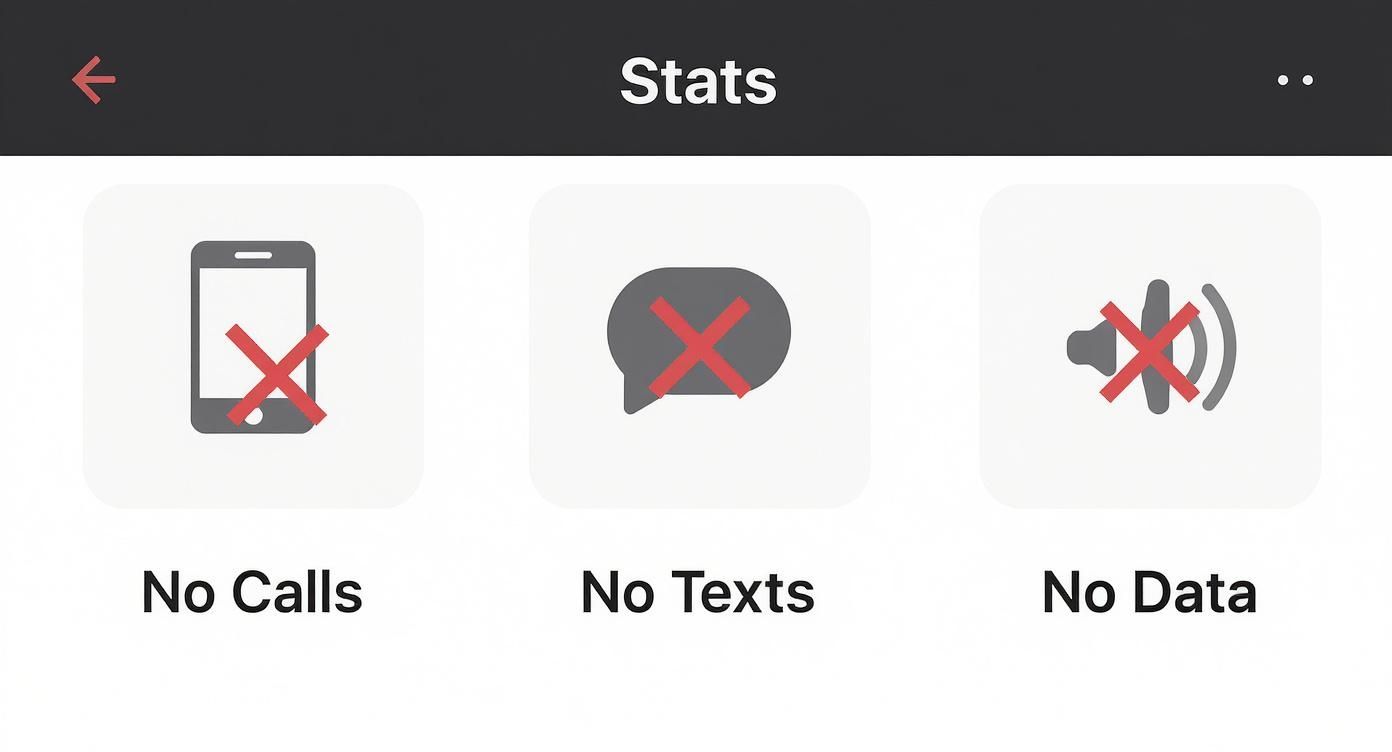
As you can see, the block hits all the core functions that need a network connection – calls, texts, and mobile data are all out.
Involvement in Fraud
A less common, but still serious, reason is fraud. For instance, if someone dishonestly reports their phone as stolen to get an insurance payout and then tries to sell the "stolen" device, both phones can end up on the blacklist once the scam comes to light.
Understanding these risks is absolutely vital. Before you hand over any cash for a used phone, you have to be confident it comes with a clean history. If you have any doubts at all, it's always better to walk away. If you're looking to sell your device safely and get a fair price, we can help. Head over to our sales form to get started.
What Happens If You End Up with a Blacklisted Phone?

So, what's the reality of owning a blacklisted phone? It’s not a pretty picture. The biggest, most immediate problem is that the phone will not connect to any UK mobile network. Full stop.
That means no calls, no texts, and no mobile data when you're on the move. You can try swapping SIM cards all you want, but it won't make a blind bit of difference. The block is tied to the phone’s unique IMEI number, not your SIM. Essentially, the device is cut off from the very services that make it a mobile phone.
At that point, your shiny smartphone is reduced to a Wi-Fi-only gadget. Sure, you can still browse the internet, use apps, and watch videos, but only when you're connected to a network at home, in the office, or at your local coffee shop.
The Financial Hit Is Huge
The fallout from owning a blacklisted phone isn't just about inconvenience; it’s a massive financial blow. The device's resale value completely tanks. After all, who wants to buy a phone that can’t actually make calls?
Think about it. You find what looks like a fantastic deal online or from a private seller in Reigate, only to get it home and realise it's been blacklisted. That 'bargain' has just turned into a very expensive paperweight, leaving you with what is basically a mini-tablet. It’s a frustratingly common trap for unsuspecting buyers.
A phone's value is directly tied to its ability to connect. By blocking network access, blacklisting guts the core purpose of a mobile phone, causing its market value to plummet by 70-80% or even more.
The rising tide of phone theft is making this a bigger problem every day. Organised crime has fuelled a major spike in smartphone thefts across the UK, meaning hundreds of devices are stolen daily. Many of these find their way back onto the second-hand market. You can read more about the alarming UK phone theft statistics to see the scale of the issue.
Given the financial loss and sheer frustration involved, checking a phone's blacklist status before you buy is absolutely essential. And if you're looking to sell your own device, you deserve a fair price based on its genuine condition. Here at EXE, we check every single device and give you an honest valuation. Find out what your phone is really worth by filling out our simple sales form today.
How to Check if a Phone Is on the Blacklist
Thankfully, when you're buying a second-hand phone, you don't have to take the seller's word for it. Checking the phone’s status yourself is surprisingly easy, and it’s the single most important thing you can do to avoid getting stung. Think of it like doing an HPI check on a car before you buy it – it’s an absolute must.
A few minutes of simple checking can save you a world of trouble, ensuring you don't end up with a device that's little more than a paperweight. Let’s walk through exactly how you do it.
Find the Phone’s IMEI Number
Every single mobile phone has a unique 15-digit code called an IMEI (International Mobile Equipment Identity). This number is like a fingerprint for the device, and it's the key to uncovering its history. Finding it is a piece of cake.
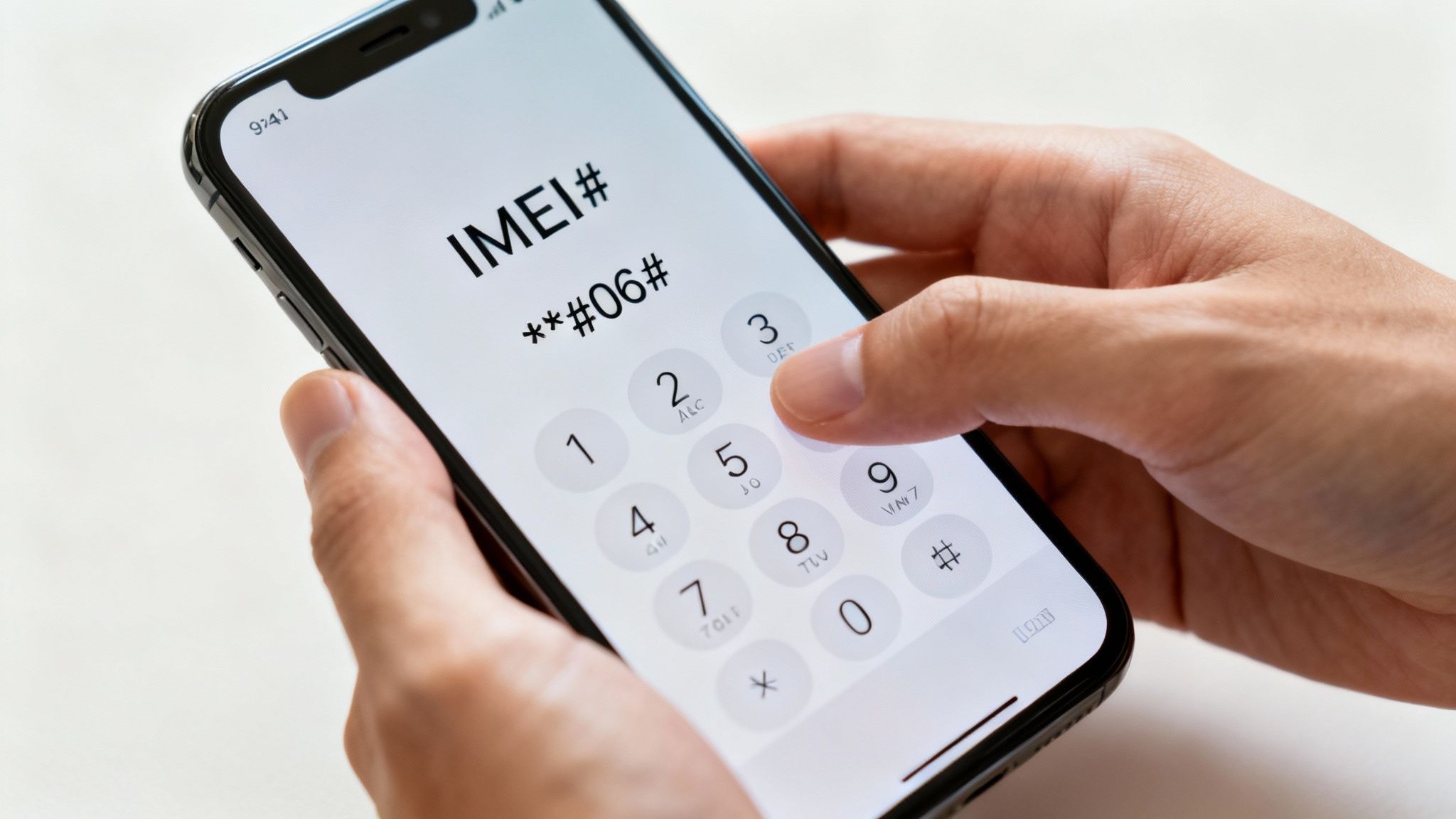
Here’s the universal trick that works on just about any phone:
- Open the phone’s dialler, just like you’re about to make a call.
- Type in *#06#.
- The IMEI number will pop up on the screen instantly.
You can sometimes find the IMEI printed on the phone's original box, etched onto the SIM tray, or buried in the 'About Phone' section of the settings. But using the *#06# code is the best way, as it confirms the number belongs to the handset you're actually holding.
Use an Online IMEI Checking Service
Once you have that 15-digit number, you're ready to do some digging. There are plenty of trusted online services that can run a check against the national blacklist database for you. You just pop the number in, and they'll report back on the phone's status.
A proper check gives you more than just a simple "yes" or "no" on the blacklist. It often reveals:
- Blacklist Status: The main event – it will clearly state if the phone has been reported lost or stolen.
- Network & Country: This confirms which network the phone was originally sold on.
- Finance Lock Status: Crucially, it tells you if there’s any outstanding finance tied to the device.
Performing an IMEI check is your best defence. A seller might not even realise a phone is blacklisted, especially if they bought it second-hand themselves. Always verify the status before any money changes hands.
This quick check can save you a massive headache down the line. If you're buying a phone from a private seller online or in person, always insist on getting the IMEI so you can run the check yourself. If they refuse? That's a huge red flag.
Of course, if you're ever in doubt and want a professional opinion, our team at EXE is here to help. We meticulously check every single device that comes through our doors in Redhill. For expert advice or to sell your own device safely, just get in touch via our secure contact form.
What To Do if You've Got a Blacklisted Phone
Finding out your phone is blacklisted is a real gut-punch, but don't panic. There are still options. It's important to be realistic, though: getting a phone off the blacklist is next to impossible unless you're the person who put it there in the first place.
If the phone was reported lost or stolen, only the original owner can contact the network and ask for it to be unblocked. Likewise, if it’s blacklisted because of an unpaid contract, only the account holder can clear the debt and get it working again.
For an unsuspecting buyer, the path to getting it unblocked is pretty much a dead end. But that doesn't mean the phone is a useless brick. Far from it.
The blacklist only stops it from connecting to a mobile network. Everything else—all the smart features you bought it for—works perfectly over a Wi-Fi connection.
Turning a Problem Into a Wi-Fi Powerhouse
Think of it less as a broken phone and more as a high-powered, pocket-sized tablet. It can still have a very useful second life.
Here are just a few ideas to get you started:
- A Dedicated Media Player: Load it up with Spotify or Apple Music, download your favourite shows from Netflix, and you’ve got a brilliant portable entertainment hub.
- A Kids' Gaming Console: It's an ideal way to keep the kids entertained with games and educational apps. Best of all, you don't have to worry about them accidentally making calls or racking up a huge data bill.
- A Smart Home Remote: Use it as a central command centre for your lights, thermostat, smart speakers, and other connected home gadgets.
- A High-Quality Camera: The camera is just as good as it was before. Snap photos and shoot videos, then just upload them to the cloud whenever you’re connected to Wi-Fi.
While a blacklisted phone can no longer make calls on the go, its value simply shifts. By getting creative and repurposing it, you can still get plenty of use out of the device.
Selling for Parts or Getting Expert Advice
Another route is to sell the phone for its parts. High-quality components like the screen, battery, and camera module are always in demand for repairs, so they hold a decent bit of value.
For businesses, having a clear process for handling unexpected issues, much like dealing with a blacklisted phone, is essential. Understanding the principles of building a robust incident response plan can show how a solid strategy makes all the difference in a crisis.
If you’re local to Redhill, Merstham, or the nearby areas and find yourself in this tricky spot, pop in and see us. We’ll give you an honest, expert evaluation of the phone and can offer a fair price for its parts. For a quick assessment, just fill out our sales form.
Your Top Questions About Blacklisted Phones Answered
We hear a lot of the same questions about blacklisted phones, so we've gathered the most common ones right here. Think of this as your quick-fire guide to clearing up any confusion, helping you buy and sell with total confidence.
Can You Get a Blacklisted Phone Unblacklisted in the UK?
Honestly, it’s a long shot. The only person who can really get a phone unblacklisted is the original owner who reported it lost or stolen. They’d have to contact their network and provide solid proof that it’s their device.
What if it was blocked for unpaid bills? Well, if the outstanding balance is paid off, the network might clear it. But if you’ve accidentally bought a phone that’s already on the blacklist, your options for getting it unblocked are, unfortunately, next to none.
Will a Blacklisted Phone Still Work on Wi-Fi?
Yes, it absolutely will. A blacklisted phone can’t connect to any mobile network for calls, texts, or data, but its Wi-Fi capabilities are completely unaffected.
You can still browse the internet, scroll through Instagram, chat on WhatsApp, or watch YouTube videos. It basically becomes a mini-tablet or a modern iPod Touch, which can still be brilliant for entertainment or as a first device for the kids.
Is It Illegal to Buy or Sell a Blacklisted Phone?
This one's a bit of a grey area. Just owning a phone that was blacklisted because of an unpaid contract isn't against the law. The real trouble starts when stolen property is involved.
Knowingly buying or selling stolen goods is a serious criminal offence. If a phone is on the blacklist because it was pinched, you could find yourself in legal hot water. It’s another massive reason why you should always, always check a phone's history before you buy.
How Do I Avoid Buying a Blacklisted Phone?
The best way to stay safe is to buy from a reputable tech specialist like us here at EXE in Redhill. We meticulously check the history of every single device that comes our way.
If you’re buying from a private seller, insist on getting the IMEI number and run a check yourself before any money changes hands. Be suspicious of deals that seem too good to be true—they almost always are. For complete peace of mind, let us sort you out with a reliable, fully-vetted phone or get a quote for your old device through our sales form.
At EXE, we make selling your old tech fast, fair, and completely secure. To get a free, no-obligation quote from our friendly team, just fill out the simple form on our website at https://www.exe.co.uk/#form.